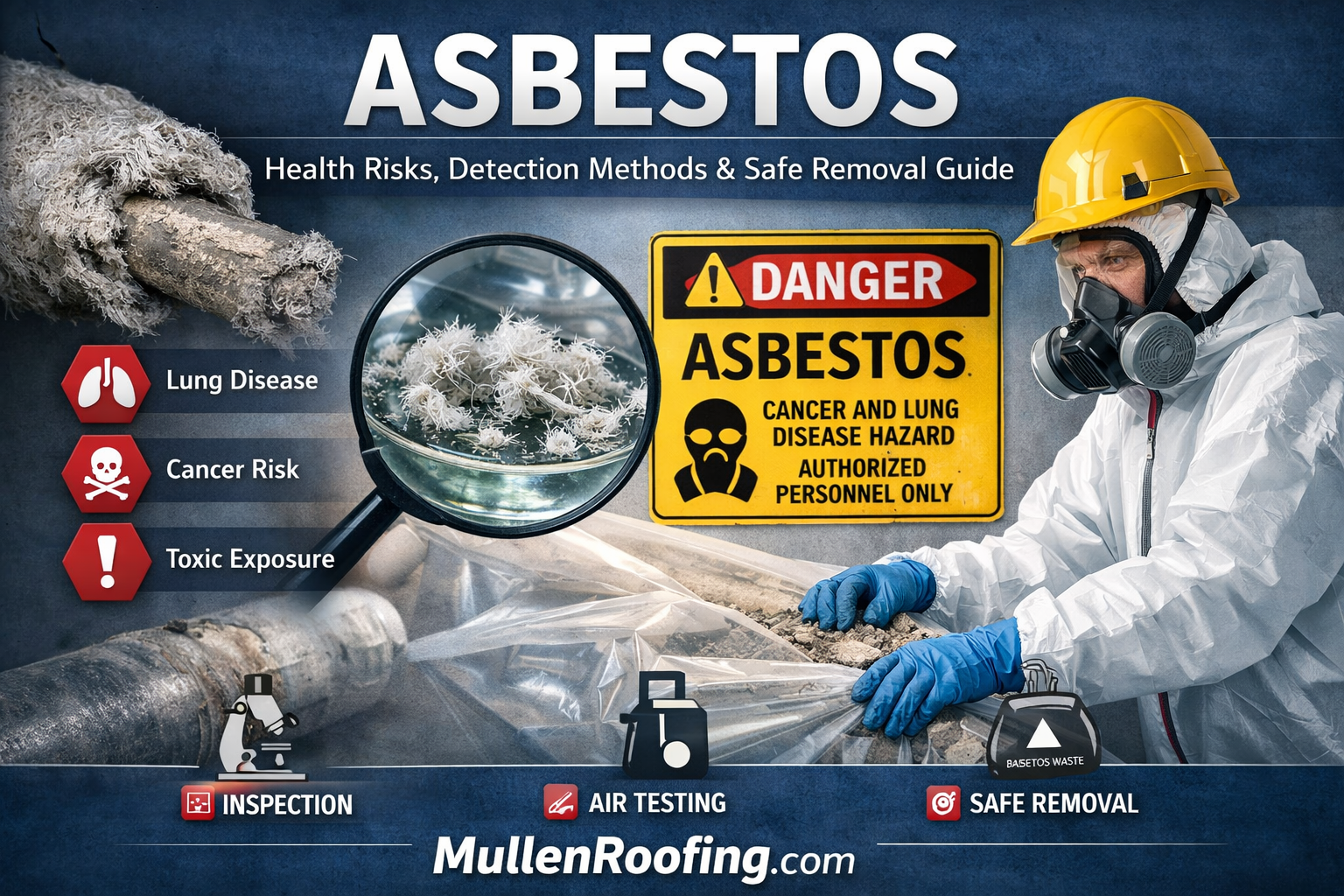
Asbestlint: Health Risks, Detection Methods & Safe Removal Guide
Asbestlint, a form of asbestos tape, has been widely used in buildings and industrial applications due to its heat-resistant and durable properties. Despite its benefits in construction and insulation, asbestlint poses serious health risks when fibers become airborne. Many homeowners and workers remain unaware of the potential dangers hidden in older materials, making awareness essential.
Understanding asbestlint is crucial for anyone dealing with renovations, older constructions, or industrial equipment. Exposure to this hazardous material can lead to severe illnesses over time. This guide provides comprehensive information about the health risks, detection methods, and safe removal practices of asbestlint, ensuring you stay informed and protected.
What is Asbestlint
Asbestlint is a fibrous material primarily made from asbestos, often shaped into tape or insulation strips. Historically, it was used in construction, heating systems, and industrial applications because of its resistance to heat, fire, and chemical damage. Its durability made it a preferred choice for sealing ducts, insulating pipes, and protecting electrical components from high temperatures.
Unlike other asbestos-containing materials, asbestlint is flexible and can easily be applied around corners and irregular surfaces. While this made it extremely useful in industrial settings, it also increases the risk of fibers breaking loose. Anyone handling or encountering old asbestlint must exercise caution to prevent airborne contamination and health hazards.
Health Risks Associated with Asbestlint
Exposure to asbestlint can result in serious respiratory illnesses. When fibers are inhaled, they may lodge in the lungs, leading to diseases such as asbestosis, lung cancer, and mesothelioma. Even brief exposure in poorly ventilated areas can be dangerous, especially during renovation or demolition projects where fibers can become airborne in large quantities.
Children, elderly individuals, and workers in construction or industrial settings are particularly vulnerable to the harmful effects of asbestlint. Long-term exposure often leads to chronic respiratory issues that may develop over decades. Understanding these risks emphasizes the importance of professional assessment and careful handling of any material suspected to contain asbestos.
Detection Methods for Asbestlint
Detecting asbestlint is essential before any removal or renovation work begins. Professional inspections often include visual assessment, surface sampling, and laboratory testing to confirm the presence of asbestos fibers. Certified inspectors use specialized equipment to identify and quantify the level of contamination, ensuring safety standards are met.
While some signs of asbestlint may be visible, such as fraying or dusty residue, DIY detection is risky. Handling the material without proper protection can release hazardous fibers into the air. Always rely on professional testing for accurate identification and to prevent accidental exposure to this dangerous material.
Safe Removal and Disposal of Asbestlint
Removing asbestlint requires strict adherence to safety regulations and professional guidelines. The process usually involves sealing off the area, using protective clothing, and carefully handling materials to prevent fiber release. Specialized vacuum systems and wet methods are often employed to minimize airborne contamination during removal.
Disposal of asbestlint must comply with legal requirements set by regulatory agencies, such as the EPA in the United States. Certified waste management services are typically required to transport and dispose of asbestos-containing materials safely. Attempting DIY removal without proper knowledge or equipment can lead to serious health risks and legal consequences.
Preventive Measures and Safety Tips
Preventing exposure to asbestlint starts with awareness and proactive management. Avoid disturbing materials suspected of containing asbestos, especially in older buildings. Using protective gear such as respirators, gloves, and full-body suits is essential for anyone who must handle or work near asbestlint.
Regular inspections by certified professionals can help identify hidden asbestos materials before they become a risk. Educating family members, workers, and contractors about the dangers of asbestlint ensures safer environments. Awareness, combined with careful monitoring and professional handling, is the best way to minimize health hazards associated with this material.
Conclusion
Asbestlint remains a hidden hazard in many older buildings and industrial settings. Its durability and historical use make it a common source of asbestos exposure, posing serious health risks when fibers are inhaled. Understanding the nature of asbestlint, detecting its presence accurately, and removing it safely are essential steps to protect your health and your home.
Taking preventive measures and relying on professional handling ensures that asbestlint does not become a threat. Awareness and education are key to mitigating the risks of this dangerous material. By following the safety guidelines outlined in this guide, you can ensure a safe environment for yourself, your family, and workers around you.