Viltnemnda: Understanding Norways Local Wildlife Management System
Viltnemnda is a central concept in Norway’s approach to wildlife management and sustainable use of natural resources. The term refers to a municipal wildlife committee that operates at the local level, ensuring that wild animal populations are managed responsibly and in accordance with national laws. In a country known for its vast forests, strong hunting traditions, and close relationship between people and nature, viltnemnda plays a crucial role in balancing ecological health with human needs. Understanding viltnemnda provides insight into how Norway successfully combines conservation, regulated hunting, and community involvement in wildlife governance.
What Viltnemnda Means and Why It Matters
The word viltnemnda is derived from the Norwegian language, where “vilt” means wildlife or game animals and “nemnda” means committee or board. Together, the term signifies a formally appointed body that oversees wildlife-related matters within a municipality. While the concept may sound administrative, its real-world impact is significant. Decisions made by viltnemnda influence wildlife populations, hunting opportunities, road safety, agriculture, and biodiversity protection. The importance of viltnemnda lies in its ability to apply national wildlife policy at a local level, taking into account specific environmental conditions and community needs.
Legal Foundation of Viltnemnda in Norway
Viltnemnda operates within a clearly defined legal framework established by Norwegian wildlife legislation. National laws set the overall goals of wildlife conservation and sustainable use, while municipalities are given authority to implement these rules locally. Viltnemnda acts as the advisory and decision-making body that helps municipalities fulfill their legal responsibilities. This decentralized structure allows wildlife management to remain flexible and responsive rather than overly centralized. Through this system, Norway ensures that wildlife policy is consistent nationwide while still adaptable to regional differences.
Organizational Structure of Viltnemnda
Viltnemnda is typically composed of members appointed by the municipal council. These members often include individuals with practical knowledge of wildlife, such as experienced hunters, landowners, forestry professionals, or people with environmental expertise. The committee does not operate in isolation but works closely with municipal administrations and regional environmental authorities. Although viltnemnda does not usually employ full-time staff, its members carry substantial responsibility, as their recommendations and decisions shape how wildlife resources are managed year after year.
Core Responsibilities of Viltnemnda
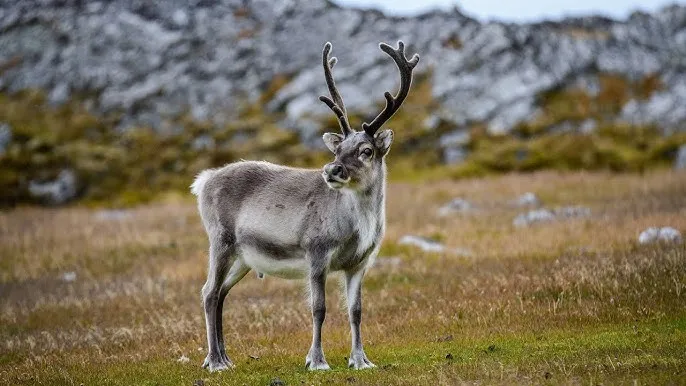
At the heart of viltnemnda’s work is the management of wildlife populations. This includes assessing population trends, recommending hunting quotas, and ensuring that harvesting levels remain sustainable. Large game species such as moose, red deer, roe deer, and wild reindeer are often the main focus, as these animals have significant ecological and social impact. By analyzing data from hunters, landowners, and wildlife observations, viltnemnda helps determine how many animals can be harvested without harming long-term population stability.
Viltnemnda and Hunting Regulation
Hunting is a deeply rooted tradition in Norway, and viltnemnda plays a key role in regulating this activity. The committee advises on hunting seasons, license distribution, and quota systems. Rather than promoting unrestricted hunting, viltnemnda ensures that hunting serves as a tool for population control and ecosystem balance. Through careful planning, hunting contributes to healthy wildlife populations while also providing economic and cultural benefits to rural communities. Viltnemnda’s involvement ensures that hunting remains ethical, regulated, and aligned with conservation goals.
Wildlife Conservation and Biodiversity Protection
Beyond hunting, viltnemnda is also concerned with broader conservation issues. Maintaining biodiversity is a central objective of Norwegian wildlife policy, and viltnemnda supports this by considering habitat quality, species interactions, and long-term ecological resilience. Decisions are not based solely on current population numbers but also on how wildlife interacts with forests, farmland, and human settlements. By promoting sustainable practices, viltnemnda helps preserve ecosystems that support both wildlife and human livelihoods.
Human–Wildlife Conflict Management
One of the most practical and visible aspects of viltnemnda’s work involves managing conflicts between humans and wildlife. Large animals can cause damage to crops, forests, and infrastructure, and they can pose risks to traffic safety. Viltnemnda contributes to strategies that reduce these conflicts, such as adjusting hunting quotas, supporting preventive measures, and advising on land-use planning. In cases of wildlife-related traffic accidents, viltnemnda often cooperates with authorities to ensure injured animals are handled humanely and responsibly.
The Role of Local Knowledge in Viltnemnda
A defining strength of viltnemnda is its reliance on local knowledge. Members are familiar with the landscapes, migration patterns, and seasonal behaviors of wildlife in their municipality. This local insight allows viltnemnda to make decisions that are both scientifically informed and practically grounded. Rather than applying generic solutions, the committee tailors its recommendations to the specific conditions of each area. This approach increases the effectiveness of wildlife management and strengthens community trust in the system.
Cooperation with Landowners and Hunters
Viltnemnda operates in close collaboration with landowners and hunting organizations. Landowners play a crucial role because hunting rights in Norway are often tied to land ownership. Hunters, on the other hand, provide valuable data through harvest reports and field observations. Viltnemnda acts as a coordinating body that brings these stakeholders together, ensuring that management decisions are transparent and widely understood. This cooperative model reduces conflict and encourages shared responsibility for wildlife resources.
Viltnemnda’s Role in Sustainable Development
Sustainable development is a guiding principle in Norwegian environmental policy, and viltnemnda contributes directly to this goal. By ensuring that wildlife populations remain healthy, the committee supports long-term economic activities such as hunting tourism, forestry, and agriculture. At the same time, sustainable wildlife management protects natural heritage for future generations. Viltnemnda’s work demonstrates how environmental stewardship and economic interests can coexist when guided by thoughtful governance.
Decision-Making and Advisory Functions
While viltnemnda may not always have final decision-making authority, its advisory role is highly influential. Municipal councils rely on the committee’s expertise when making formal decisions about wildlife management. Recommendations from viltnemnda are typically based on data analysis, field experience, and legal guidelines. This advisory function ensures that political decisions are informed by practical and ecological considerations rather than short-term interests.
Transparency and Public Accountability
Transparency is an essential aspect of viltnemnda’s legitimacy. As a municipal body, it operates within the framework of public administration, meaning that its processes are subject to oversight and public scrutiny. Open communication with residents, hunters, and landowners helps build trust in wildlife management decisions. When people understand why certain measures are taken, such as changes in hunting quotas or conservation priorities, they are more likely to support them.
Challenges Faced by Viltnemnda
Despite its strengths, viltnemnda faces several challenges. Climate change is altering habitats and migration patterns, making wildlife management more complex. Increasing human development can fragment habitats and intensify conflicts between people and animals. Additionally, balancing diverse stakeholder interests is not always easy. Viltnemnda must navigate competing priorities while staying true to legal and ecological principles. These challenges require adaptability, ongoing learning, and cooperation at multiple levels of governance.
Evolution of Viltnemnda Over Time
The role of viltnemnda has evolved alongside changes in Norwegian society and environmental awareness. Earlier approaches to wildlife management focused more narrowly on hunting and resource use. Today, viltnemnda operates within a broader framework that emphasizes ecosystem health, biodiversity, and sustainability. This evolution reflects a growing understanding of the interconnectedness between wildlife, landscapes, and human well-being.
Viltnemnda in the Context of Norwegian Governance
Viltnemnda is an example of Norway’s broader approach to governance, which emphasizes local responsibility within a national framework. By empowering municipalities and local committees, Norway encourages active participation in environmental management. This model contrasts with more centralized systems and highlights the value of local engagement. Viltnemnda embodies the idea that those closest to the land are often best equipped to manage it responsibly.
Importance of Viltnemnda for Future Generations
Looking ahead, viltnemnda will continue to play a vital role in shaping Norway’s relationship with wildlife. As environmental challenges grow more complex, the need for informed, local decision-making becomes even more important. Viltnemnda’s combination of legal authority, local knowledge, and stakeholder cooperation positions it as a key institution for safeguarding wildlife resources. Through its work, future generations can inherit ecosystems that are both productive and resilient.
Conclusion
Viltnemnda represents a thoughtful and effective approach to wildlife management that balances conservation, tradition, and community involvement. By operating at the municipal level, it ensures that national wildlife policies are applied in ways that reflect local realities. Its responsibilities extend beyond hunting regulation to include conservation, conflict management, and sustainable development. In a world where environmental challenges are increasingly urgent, viltnemnda stands as a strong example of how local governance can contribute to global sustainability goals.